Explore how wearables and AI are revolutionizing health tracking in 2026. From sleep to stress, learn what’s new and how to use these tools effectively.
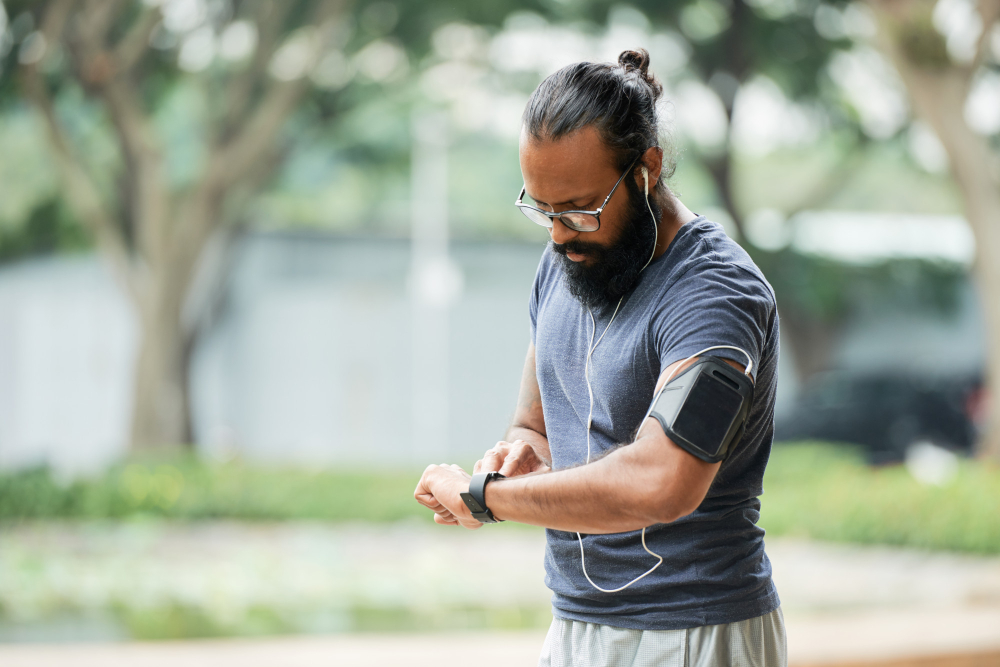
Gone are the days when fitness trackers just counted steps. In 2026, wearables and AI are transforming how Americans monitor their health, from sleep patterns to heart rate variability (HRV).
A 2025 Gartner report predicts 70% of U.S. adults will use a wearable by 2027. Curious about what’s new? This guide covers the latest advancements, key features, and tips to make these tools work for you.
The Evolution of Wearables in 2026
Wearables like Fitbit, Apple Watch, and Oura Ring now integrate AI to analyze data in real time. They’re not just gadgets—they’re mini health coaches. A 2025 Journal of Medical Internet Research study found that AI-driven wearables improve health outcomes by 15% when used consistently.
Key Features in 2026 Wearables
-
- Sleep Tracking: Measures sleep stages (light, deep, REM) and offers personalized tips.
-
- Stress Monitoring: Uses HRV to detect stress and suggest breathwork.
-
- Activity Insights: Tracks workouts and recovery, adjusting goals based on fatigue.
-
- Blood Oxygen and ECG: Flags potential issues like sleep apnea or arrhythmias.
-
- AI Coaching: Delivers tailored advice, like “Walk 10 minutes to hit your goal.”
Wearable Categories Compared
| Feature | Budget Wearables | Premium Wearables | Best For |
| Sleep Tracking | Basic (duration) | Advanced (stages, tips) | Insomnia |
| Stress Monitoring | HRV basics | Real-time alerts | Anxiety |
| Cost | $50-150 | $200-500 | Budget vs. precision |
How AI Makes Data Actionable
AI doesn’t just collect data—it interprets it. For example:
-
- Spots patterns (e.g., poor sleep after late meals)
-
- Predicts risks (e.g., overtraining leading to injury)
-
- Suggests fixes (e.g., meditation for high stress)
A 2026 Health Affairs study found AI coaching boosts adherence to health goals by 25%.
Privacy Concerns and Tips
Wearables collect sensitive data. Protect yourself:
-
- Check privacy policies (opt for HIPAA-compliant brands).
-
- Disable location tracking when not needed.
-
- Use strong passwords and two-factor authentication.
The Electronic Frontier Foundation offers guides on data security.
How to Choose and Use a Wearable
-
- Start Simple: Budget models work for beginners.
-
- Set Goals: Focus on one metric (e.g., sleep) to avoid overwhelm.
-
- Check Compatibility: Ensure it syncs with your phone or apps.
-
- Review Weekly: Use insights to tweak habits, not obsess daily.
The Future of Health Tracking
Wearables and AI are making health personal in 2026. Start small, stay consistent, and let data guide you. Have a favorite device? Drop it in the comments!